


-
Living Room Colour Ideas
All Living Room Inspirations Blue Living Rooms Brown Living Rooms Grey Living Rooms Green Living Rooms Orange Living Rooms Purple Living Rooms Pink Living Rooms Red Living Rooms Yellow Living Rooms White Living Rooms
-
Bedroom Colour Ideas
All Bedrooms Inspirations Blue Bedrooms Brown Bedrooms Grey Bedrooms Green Bedrooms Orange Bedrooms Purple Bedrooms Pink Bedrooms Red Bedrooms Yellow Bedrooms White Bedrooms


Light, and Life to India's Homes.
At JSW Paints, we believe true beauty is not just about looking good, but about thinking and doing good.
thoughtful is beautiful.
That is why we have infused thoughtfulness in every drop and detail.
Understanding Warm vs. Cool Colours for Interior Spaces
When designing an interior space, colour plays a crucial role in setting the mood, defining the ambience, and influencing how people feel within a room. Warm and cool colours are two primary categories that designers use to create harmony and evoke specific emotions. Understanding the impact of these colours can help homeowners and designers make informed decisions when selecting a colour scheme for their spaces.
In this article, we’ll explore the difference between warm and cool colours, their psychological effects, and how to effectively use them in interior design.
What Are Warm and Cool Colours?
Warm and cool colours are categorized based on their position on the colour wheel.
Warm Colours: These include reds, oranges, yellows, and variations of these hues. They tend to evoke feelings of warmth, energy, and cosiness. Warm colours are often associated with the sun, fire, and heat.
Cool Colours: These include blues, greens, purples, and their variations. Cool colours create a sense of calm, relaxation, and spaciousness. They are often linked to water, sky, and nature.
Understanding how these colours interact with each other and their surroundings can help create a balanced and inviting interior walls.
Warm and Cool Colour Options for Different Rooms
Choosing the right colour palette for a space can transform its ambience and functionality. Below are various warm and cool colour options, along with the best rooms to use them in.
Warm Colours: Inviting and Energetic
Warm colours create a cosy, welcoming atmosphere that encourages social interaction and liveliness. They work best in high-energy spaces.
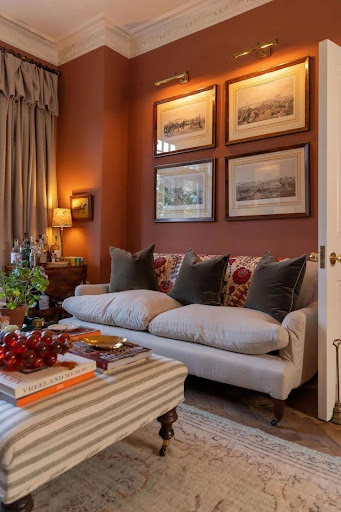
1. Orange – Cheerful, energetic, and playful
Deep Orange adds warmth and excitement, creating a vibrant and welcoming feel. It’s great for spaces where people gather and interact.
Best for: Entryways, Kitchens, Playrooms
2. Yellow – Bright, uplifting, and warm
Yellow enhances mood, boosts creativity, and creates a sunny atmosphere. Lighter shades are great for kitchens, while softer hues work well in workspaces.
Best for: Kitchens, Breakfast Nooks, Home Offices
3. Terracotta & Earthy Tones – Cozy, rustic, and grounding
Best for: Bedrooms, Living Rooms, Dining Areas
Terracotta or Earthy warm tones bring a natural, comfortable feel to a space, making rooms feel inviting without being too intense.
Cool Colours: Calming and Refreshing
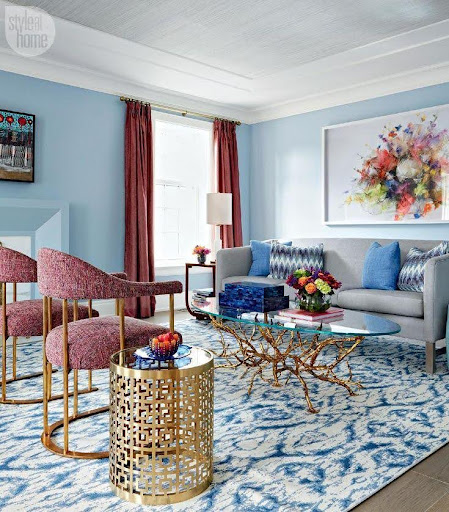
Cool colours promote relaxation and serenity, making them perfect for spaces where calmness is desired.
1. Blue – Tranquil, refreshing, and peaceful
Blue reduces stress and promotes relaxation, making it perfect for spaces meant for rest and focus. Lighter blues work well in small rooms, while deeper blues create a dramatic and cozy atmosphere.
Best for - Bedrooms, Bathrooms, Home Offices
2. Green – Natural, refreshing, and balanced
Green symbolizes nature and renewal, making it an excellent choice for creating a peaceful environment. Soft greens bring a soothing touch, while darker greens add elegance.
Best for: Bedrooms, Living Rooms, Bathrooms
3. Lavender & Purple – Soft, dreamy, and elegant
Lavender provides a calming effect, while deeper purples add a sense of luxury and sophistication.
Best for: Bedrooms, Bathrooms, Meditation Spaces
Using Warm and Cool Colours Together
Pairing Complementary Tones
- Blue and Orange → A balanced, vibrant contrast
- Green and Yellow → A refreshing yet warm combination
- Purple and Gold → A luxurious, regal pairing
Blending with Neutrals
- Beige with blue tones creates a beachy, airy feel
- Gray with warm yellow adds warmth without overwhelming
- White with earthy tones maintains a balanced, grounded aesthetic
Considering Lighting and Room Size
- Small rooms benefit from cool tones to create an open feel
- Large rooms can use warm colours to feel cosier
- South-facing rooms can handle cool colours, while north-facing rooms should lean towards warm tones for balance
- By strategically choosing and combining warm and cool colours, you can create a space that is both functional and visually appealing!
Final Thoughts
Understanding the impact of warm and cool colours allows you to design interior spaces that align with your desired ambience. Warm colours bring energy and cosiness, making them perfect for social areas, while cool colours promote relaxation and tranquillity, making them ideal for private spaces. By balancing these colours with neutral tones, lighting, and thoughtful colour combinations, you can create a visually appealing and comfortable living environment.