


-
Living Room Colour Ideas
All Living Room Inspirations Blue Living Rooms Brown Living Rooms Grey Living Rooms Green Living Rooms Orange Living Rooms Purple Living Rooms Pink Living Rooms Red Living Rooms Yellow Living Rooms White Living Rooms
-
Bedroom Colour Ideas
All Bedrooms Inspirations Blue Bedrooms Brown Bedrooms Grey Bedrooms Green Bedrooms Orange Bedrooms Purple Bedrooms Pink Bedrooms Red Bedrooms Yellow Bedrooms White Bedrooms

Light, and Life to India's Homes.
At JSW Paints, we believe true beauty is not just about looking good, but about thinking and doing good.
thoughtful is beautiful.
That is why we have infused thoughtfulness in every drop and detail.
Why Primer Is the Most Important Step Before Painting Your Walls
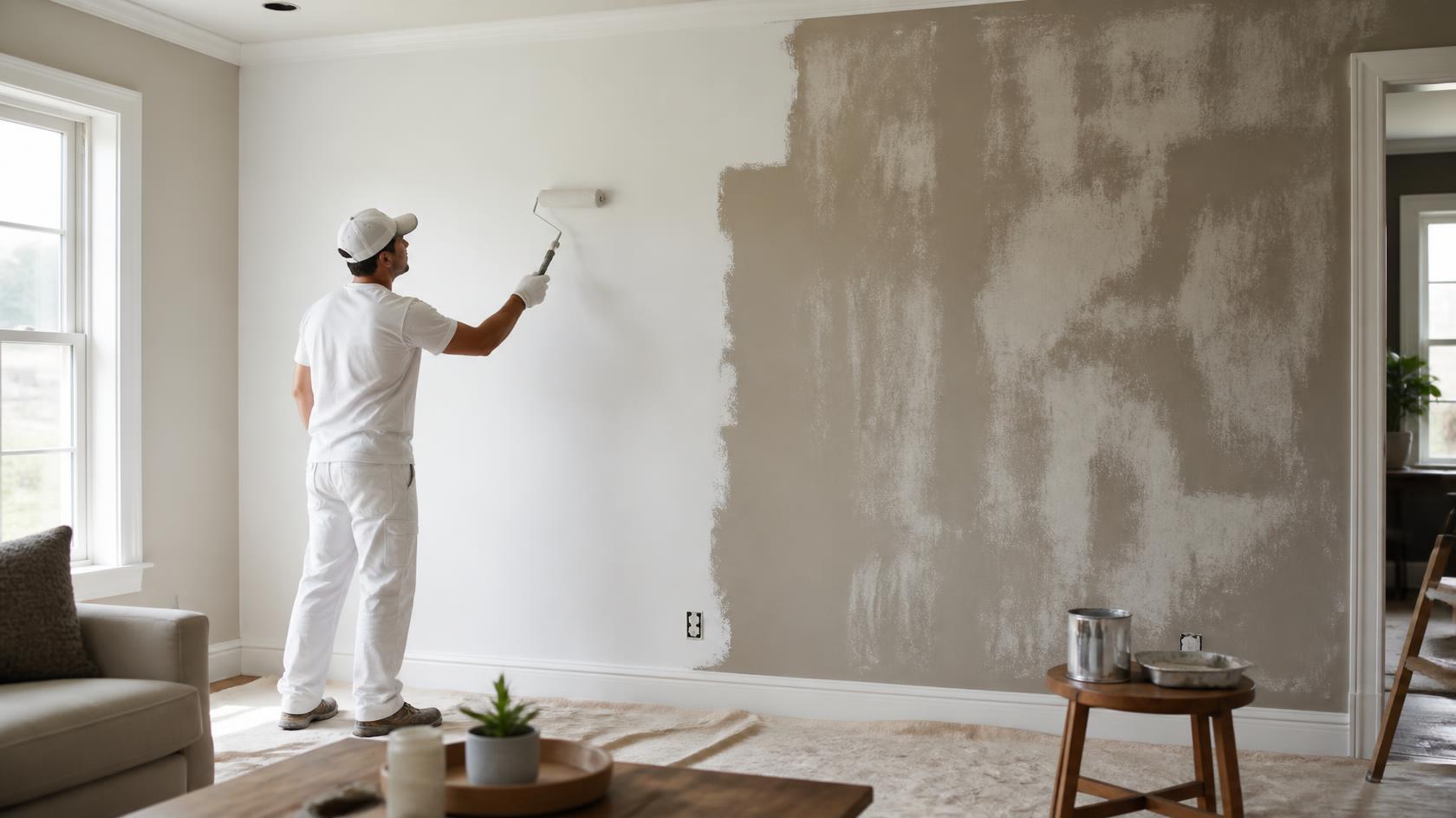
A fresh paint colour can instantly transform a room into a more welcoming and appealing space. However, achieving a smooth, durable and professional-looking finish starts long before you apply the paint. This is where a wall primer plays an important role.
A primer acts as a foundation layer that prepares the wall for painting by fixing the uneven and rough surfaces. In this blog, our experts will help you understand why primer is important before the paint colour process.
What Is Wall Primer and What Does It Do?
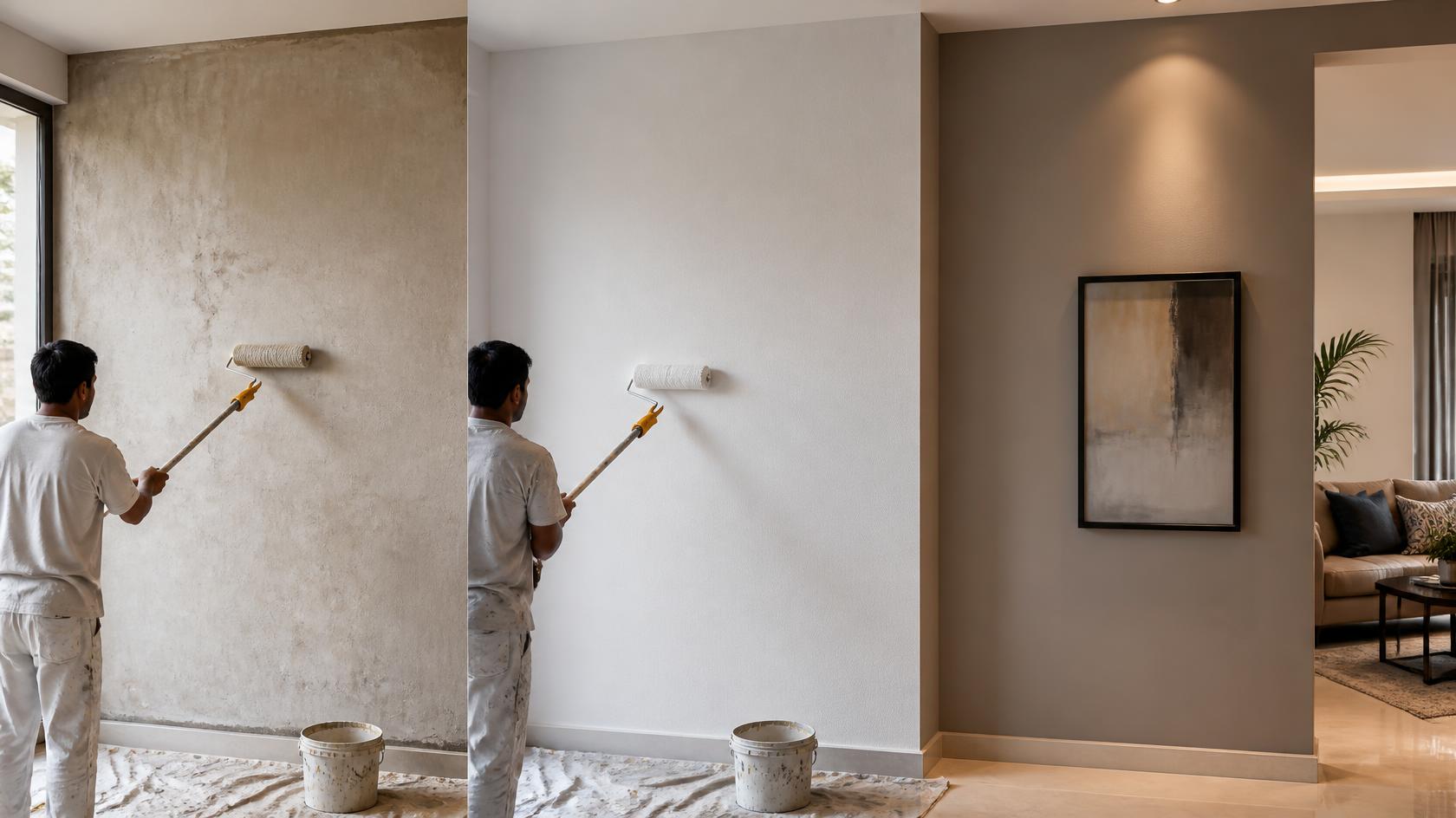
Wall paint primer is a preliminary layer applied to the surface before the actual paint process. It is formulated from liquid carrier, additives and other materials that penetrate the surface to reduce its porosity.
A primer acts as a bonding layer between the wall surface and the interior wall paint. It seals porous areas, fills minor imperfections and creates a uniform surface that allows the paint to adhere better.
This helps prevent peeling, flaking, and patchy finishes while improving paint coverage. As a result, the paint dries more evenly, delivers a richer colour, and maintains its finish for years.
Our range of high-quality primers ensures superior paint preparations by improving surface smoothness and helping achieve a flawless finish.
Consequences of Skipping Primer
A primer is an important step in the home painting process that helps improve the overall quality and durability of the finish. Although it may seem like an additional step, using a primer helps ensure better paint adhesion, smoother coverage and a more lasting result.
- Uneven Paint Finish: Uneven Paint Finish: Without an adequate primer, paint may appear patchy or streaky, especially on porous or repaired walls.
- Poor Paint Adhesion: Without using a primer, the paint may not bond properly, increasing the chances of peeling or flaking over time.
- High Paint Consumption: When the walls do not have primer, they absorb more paint and may require additional coats to get full coverage.
- Visible Wall Imperfections: Without primer, minor stains, patches, and surface flaws are more likely to show through the paint.
Skipping primer may save money initially, but you may end up using more paint, applying extra coats, and repainting sooner, making the overall painting project more expensive.
Types of Primers for Interior Walls
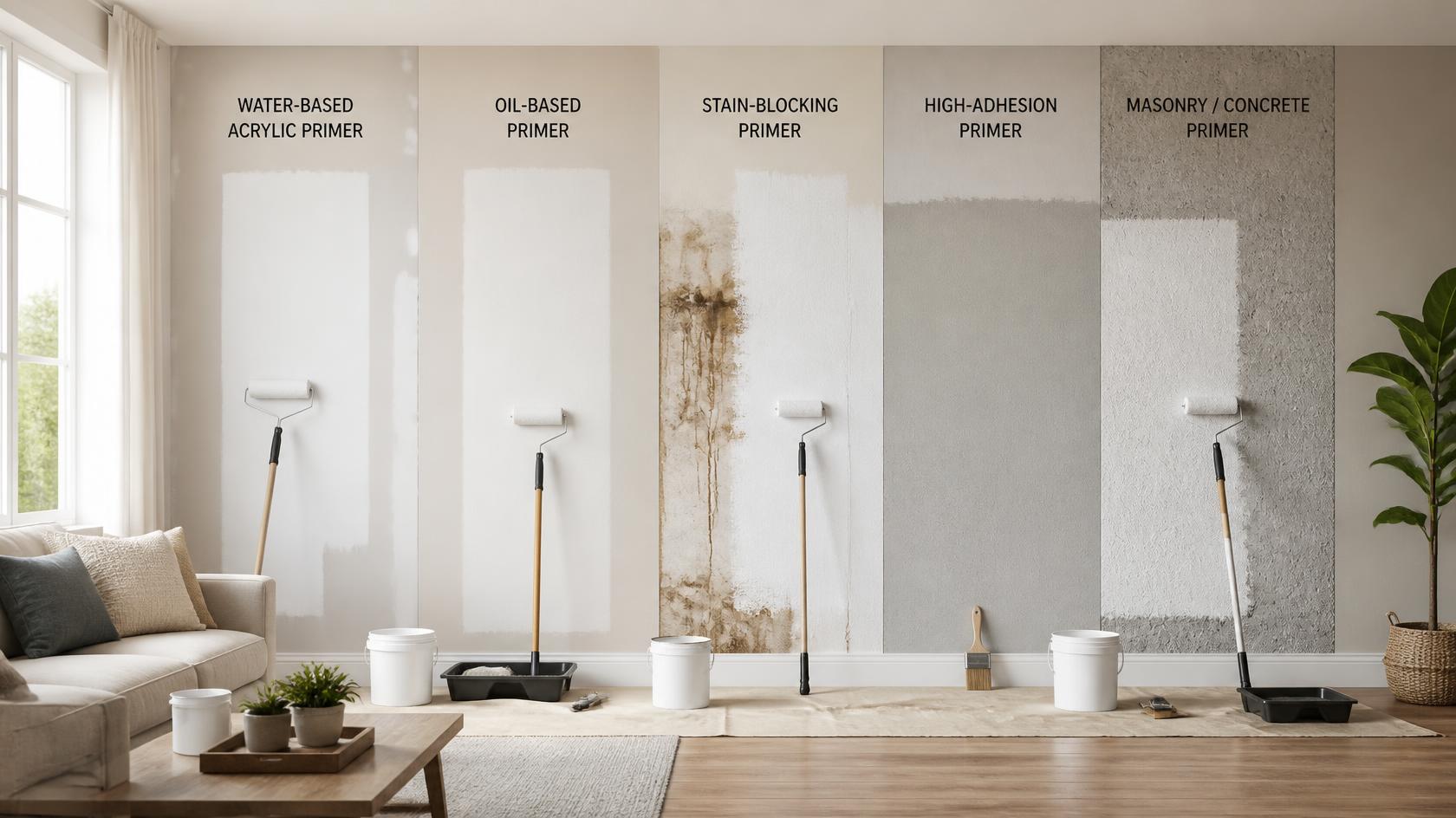
Depending on the requirement and usage, there are different types of primers available for walls. By choosing the right primer, you can improve the durability, adhesion and coverage of interior wall paint. Here are the common types of primer:
Water-Based Primer for New Walls
These primers are ideal for freshly plastered walls, drywall and previously painted interior surfaces. They dry quickly, have low odour, and create a smooth, uniform base for water-based emulsions. They also reduce paint absorption, allowing the topcoat to deliver better coverage and an even finish.
Explore our Wall Primer Interiors and Joie Primer Interiors for reliable surface preparation.
Waterproofing Primers for Damp Walls
Damp walls can affect paint adhesion and lead to peeling, patches, or moisture-related damage. A waterproofing primer helps prepare the surface and provides an added layer of protection against moisture. It can also help in improving the durability of the paint finish.
Explore iBlok Waterstop BaseCoat Interiors for added protection on interior walls.
How to Apply Primer on Interior Walls: Step by Step
Here is the step-by-step guide to apply primer properly.
Step 1: Clean the Wall Surface
Before starting the primer painting process, clean the wall surface by removing dust, dirt, grease, and loose particles. If there are any cracks or holes, repair them before priming.
Step 2: Choose the Primer
Depending on your wall and paint type, select the right primer. If you are using water-based interior wall paint, opt for a water-based primer. For wall surfaces with tough stains or where stronger sealing is required, an oil-based primer may be a better choice.
Step 3: Mix the Primer Well
Once you've chosen the appropriate primer, mix it thoroughly to obtain a uniform consistency. This simple step helps distribute the ingredients evenly, ensuring better adhesion, even finish and coverage during application.
Step 4: Apply the Primer
Apply the primer evenly to the wall using a roller or paintbrush. Avoid applying thick coats, as they can lead to uneven drying.
Step 5: Apply Putty on Fresh Surfaces
For fresh surfaces, apply two coats of putty after the first coat of primer. Allow each coat to dry properly.
Step 6: Apply the Second Coat of Primer and Topcoat
Apply one more coat of primer after the putty. Finish with two coats of the chosen topcoat, allowing adequate drying time between coats.
For repainting: Apply one coat of primer followed by two coats of topcoat.
How Long to Wait After Primer Before Painting?
The ideal waiting time after applying a primer depends on the type of primer you use. For instance, water-based primers need around 1 to 3 hours to dry.
Once the primer is completely dry, only then start the home painting process. You can choose the wall colour combination based on your needs and preferences.
If you are finding it difficult to choose the right wall colour? Use the JSW Paints AI Visualizer to preview different paint shades and discover the perfect match for your home.
JSW Paints Primer Range
The right primer is key to a long-lasting and professional-looking paint job. By creating a smooth, uniform surface, it improves paint adhesion, enhances colour vibrancy, reduces paint consumption, and helps prevent common issues such as peeling and flaking.
Whether you are painting your plastered wall or refreshing your room look, choosing the right prime can make a huge difference. JSW Paints offers a wide range of primers especially formulated to provide superior bonding, excellent coverage, and a reliable base for your paint.
From water-based primer to low-VOC primer, we have primers based on your home painting requirements. From normal bedroom colours to elegant living room colours to vibrant kids' room paints, JSW Paints offers a wide range of colour choices to bring your vision to life.
FAQs on Wall Primer
Can I paint a wall without applying primer?
Yes, you can paint a wall without applying primer if the paint surface is in good condition and of the same / similar shade. However, if the surface is uneven and rough, then a primer is absolutely needed.
Why use JSW Paint primers?
JSW Paints Primers are formulated for excellent adhesion and coverage. It helps in creating a smooth, uniform base that helps interior wall paint spread evenly and last longer.
By sealing porous surfaces and reducing paint absorption, they minimise the need for multiple coats while enhancing colour richness and finish quality.
Is it safe to do wall priming jobs in the rainy season?
No, it is generally not recommended to carry out wall priming jobs in the rainy season, as high humidity and moisture will not allow the primer to dry.