


-
Living Room Colour Ideas
All Living Room Inspirations Blue Living Rooms Brown Living Rooms Grey Living Rooms Green Living Rooms Orange Living Rooms Purple Living Rooms Pink Living Rooms Red Living Rooms Yellow Living Rooms White Living Rooms
-
Bedroom Colour Ideas
All Bedrooms Inspirations Blue Bedrooms Brown Bedrooms Grey Bedrooms Green Bedrooms Orange Bedrooms Purple Bedrooms Pink Bedrooms Red Bedrooms Yellow Bedrooms White Bedrooms

Light, and Life to India's Homes.
At JSW Paints, we believe true beauty is not just about looking good, but about thinking and doing good.
thoughtful is beautiful.
That is why we have infused thoughtfulness in every drop and detail.
Causes of Damp and Mould on Interior Walls and How to Fix Them
Damp patches and mould on interior walls can affect the appearance of your home and make it feel uninviting and uncomfortable to live in. Excess moisture can lead to these issues, which usually become more visible and severe if left untreated.
Understanding what causes dampness helps you choose the right solution before the problem spreads. In this guide, our experts will explain why mould develops and the practical steps you can take to protect your interior walls.
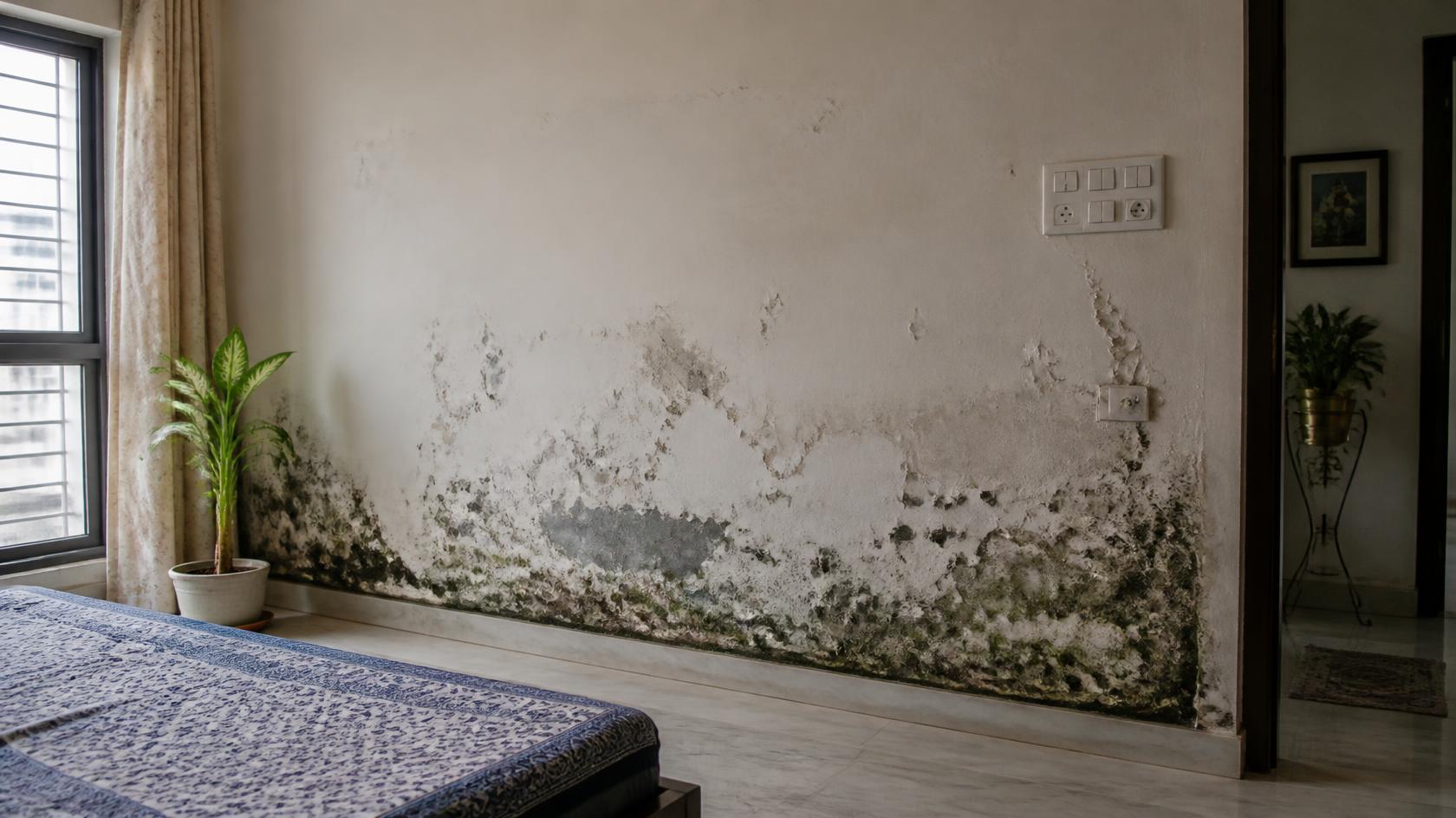
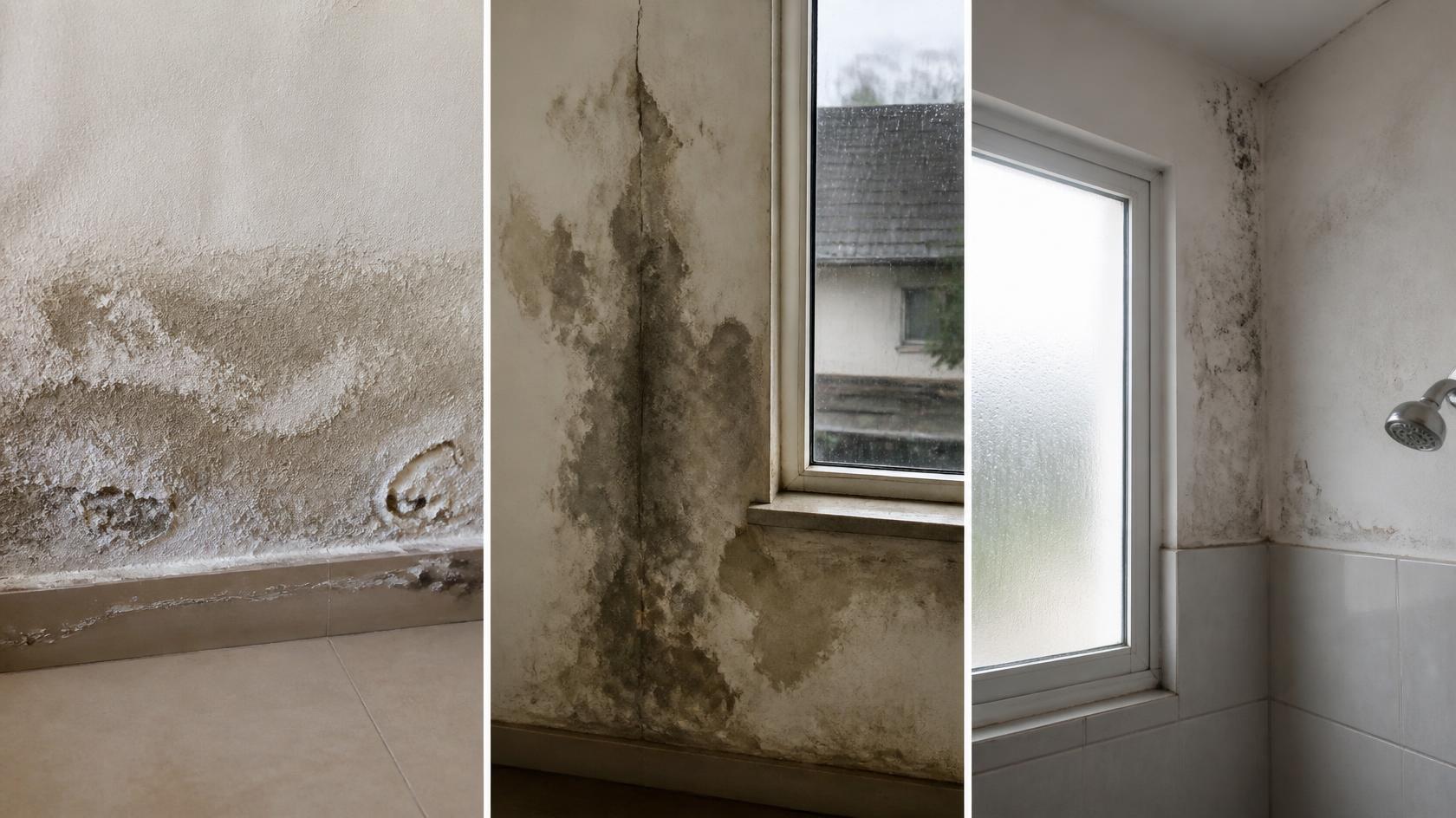
Understanding Dampness: Three Types You Must Know
| Sources | Signs | Most Affected Areas | Risks | |
|---|---|---|---|---|
| Rising Damp | Moisture from the ground moves upwards through walls when the damp-proof course is damaged or missing. | Tide marks up to 1.2 metres, flaking plaster, white salt deposits and decaying skirting boards. | Ground floor walls, basements, hallway bases and lower sections of interior walls. | Structural rot, ruined interior finishes, unstable plasterwork and lingering musty odours. |
| Penetrating Damp | Rainwater enters through cracked walls, damaged roofs, leaking pipes, gaps around windows or leaking gutters. | Spreading damp patches, peeling wall paint, wet plaster and dark stains on walls after rain. | External walls, ceilings and areas close to plumbing, window frames and chimney openings. | Degradation of plaster layers, damaged insulation, inner wall structural decay and ruined paintwork. |
| Condensation Damp | Condensation Damp | Water droplets on glass, black mould spots, peeling wall paint and misted windows. | Bathrooms, kitchens, bedrooms, behind large furniture and cold exterior corners. | Surface mould growth, unpleasant odors and air quality decline. |
Why Mould Grows on Painted Walls
Mould is a microscopic fungus that thrives in dark, humid environments with poor air circulation. On painted surfaces, it often appears as black, dark green or grey woolly patches that gradually spread across moist walls.
Causes of Mould Growth:- High Indoor Humidity: Everyday activities such as cooking, bathing and drying clothes indoors increase the amount of moisture in the air.
- Inadequate Ventilation: Keeping windows closed traps humid air inside, forcing moisture to settle directly onto cool wall surfaces.
- Wall Dampness: Trapped water from leaking pipes or external building defects offers feeding ground for fungal spores.
- Inconsistent Heating: Cold interior surfaces allow warm surrounding moisture to condense rapidly into water droplets.
- Poor Wall Insulation: Uninsulated external walls remain cold, attracting warm indoor humidity whenever room temperatures rise.
- Delayed Repair of Damp Patches: Damp areas that are left untreated provide the moisture level needed by mould to spread.
Bathrooms and kitchens are usually the most vulnerable because they produce constant steam. Bedrooms with limited ventilation, utility rooms and walls behind large furniture can also experience mould growth due to restricted air circulation.
The Health Risk of Wall Mould
Living alongside active mould patches lowers overall indoor air quality and releases microscopic fungal spores into the surrounding environment. Inhaling these airborne particles can irritate respiratory passages, cause persistent coughing, worsen asthma symptoms and trigger allergic skin reactions.
Children, elderly family members and individuals with existing respiratory issues face higher health risks from prolonged exposure to damp living environments.
Step-by-Step Fix for Damp Interior Walls
Damp walls should never be ignored because trapped moisture can gradually affect plaster, paint and the strength of wall surfaces, eventually leading to costly repairs.
Locate and repair the precise source of moisture, such as leaking plumbing, damaged roof tiles, or cracked exterior render, before starting interior repairs.
Step 1 - Remove Mould Safely
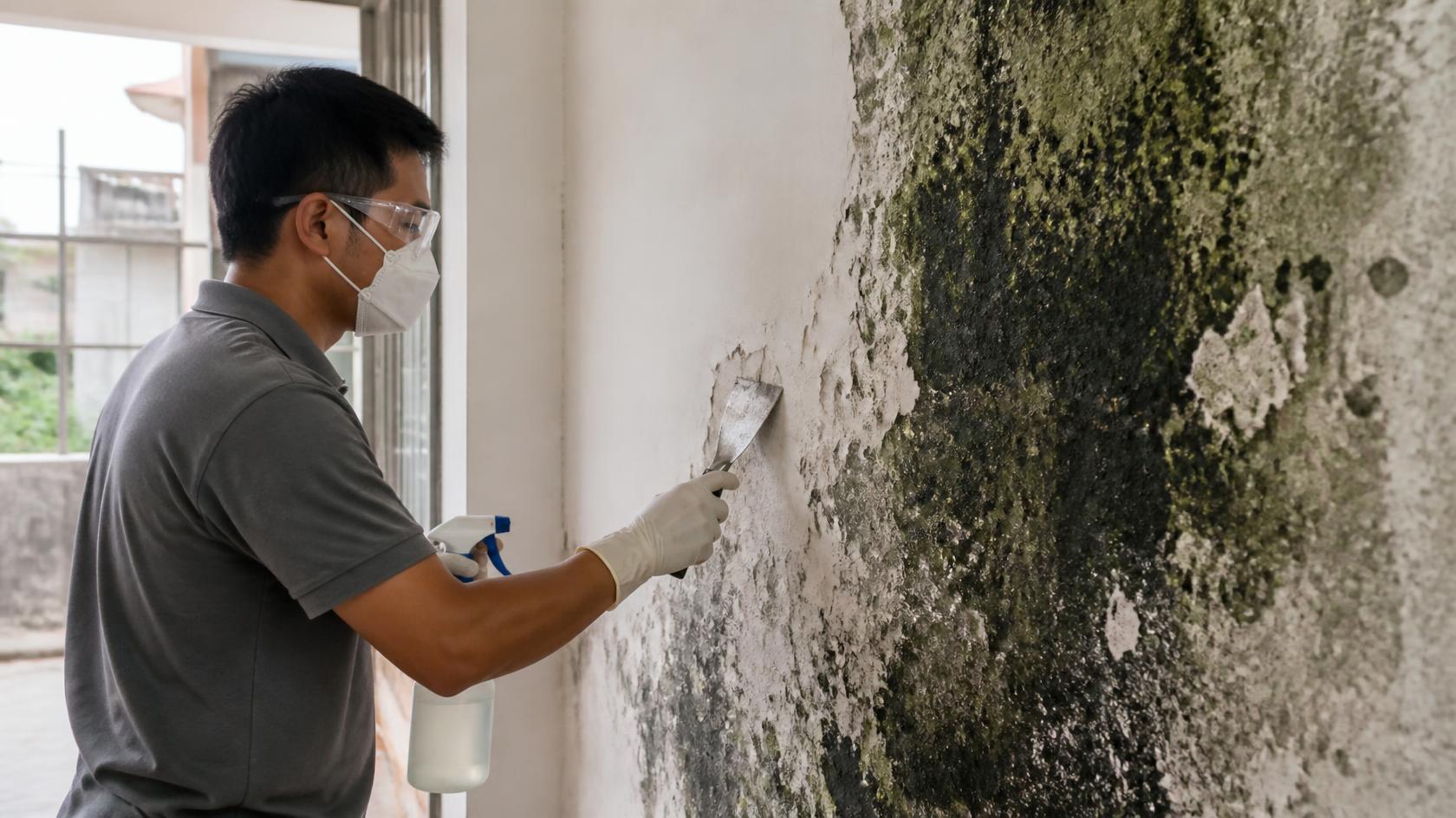
Scrape off flaking paint, clean active mould colonies using a suitable anti-fungal wash and allow the wall to dry completely before applying new repair solutions.
Step 2 - Apply Anti-Damp Treatment with iBlok Waterstop Damploc Interior
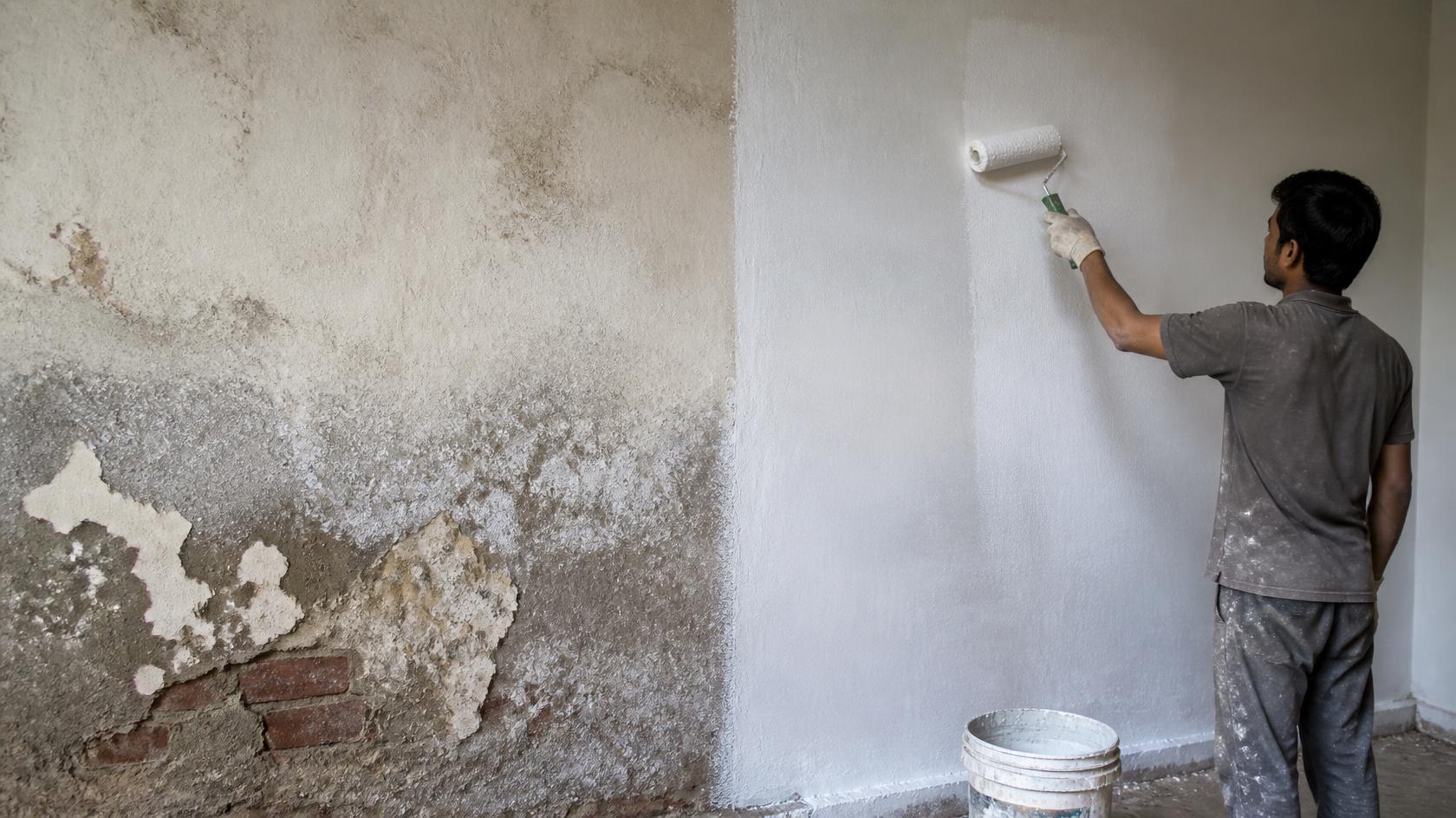
Apply a dedicated moisture-barrier product for cleaning concrete or plaster to seal porous structural surfaces and block further dampness.
For internal brick and stonework, JSW Paints iBlok Waterstop Damploc Interior serves as an anti-damp penetration primer that effectively treats internal damp walls, prevents moisture seepage and salt efflorescence, strengthens the substrate and provides superior adhesion to topcoats.
Step 3 - Repaint with Halo Majestic Interiors Paints
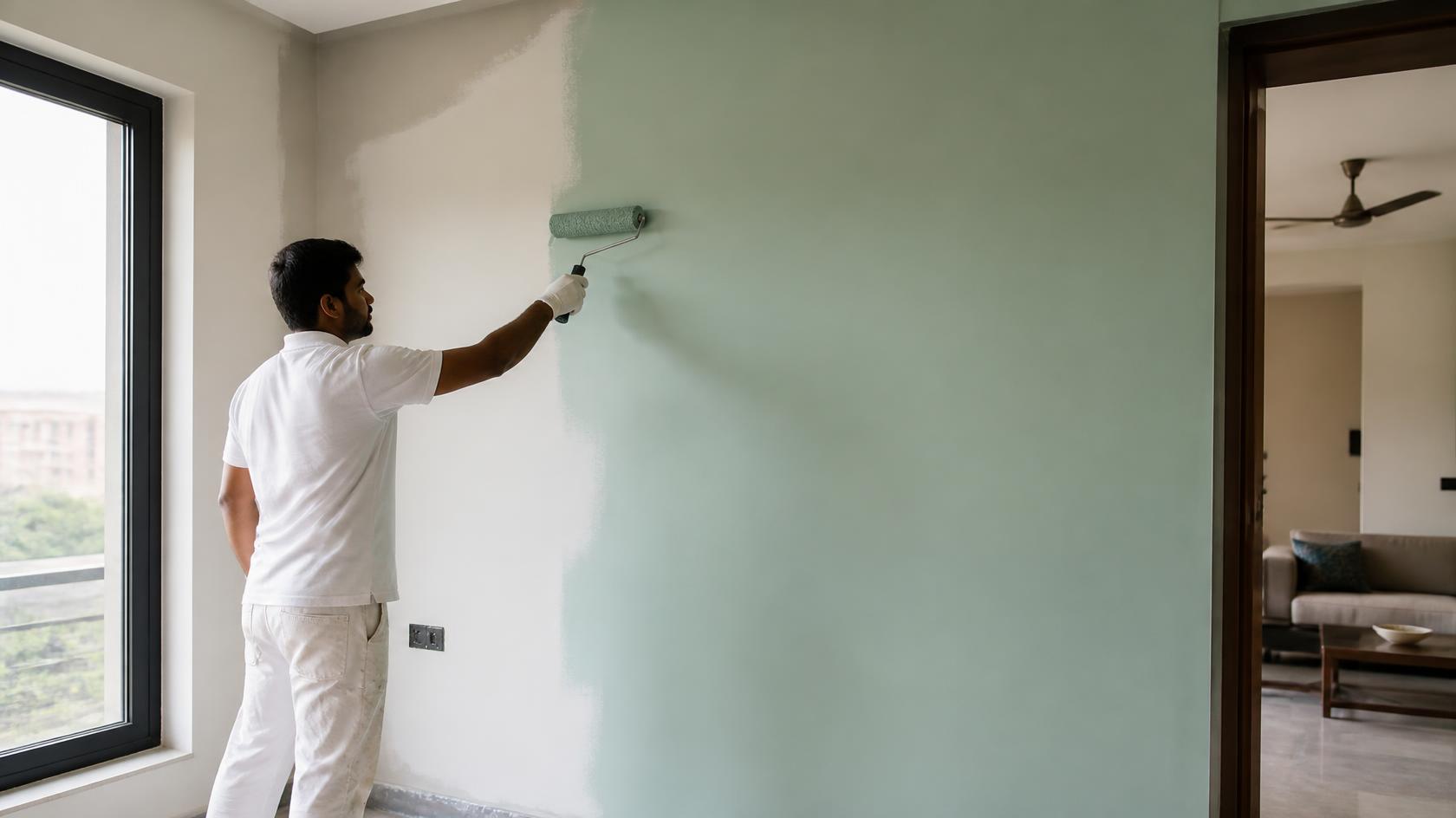
Try the JSW Paints AI Visualizer to preview different wall colour combinations in your room before making your final selection.
Preventive Measures to Stop Dampness From Returning
- Improve Room Ventilation: Open windows regularly and use exhaust fans in kitchens and bathrooms to remove excess moisture from indoor air.
- Maintain Household Heating: Maintain a comfortable indoor temperature during colder months to help reduce condensation on wall surfaces.
- Avoid Indoor Clothes Drying: Dry laundry outdoors or use well-ventilated dryers to prevent moisture from evaporating into room air.
- Space Out Wall Furniture: Position sofas and wardrobes a few inches away from external walls to ensure adequate air circulation.
- Leak-Proofing of Exterior Property: Regularly clear roof gutters, inspect drainpipes and fix outer wall cracks to prevent rainwater from penetrating the building and causing damp inside.
- Control Indoor Humidity: Use portable dehumidifiers or moisture absorbers in rooms exposed to high humidity levels during damp seasons.
- Apply Waterproof Basecoats: Seal interior walls with specialised damp-proofing primers before waterproof painting during renovation or repair projects.
JSW Paints Anti-Damp and Moisture-Resistant Products
Protecting your house requires durable waterproofing solutions designed for demanding weather conditions.
JSW Paints offers the iBlok range of waterproofing and moisture-resistant solutions that help reduce dampness, strengthen wall surfaces and create a durable base for interior finishes. When used as a complete system, these solutions help keep walls looking fresh, inviting and well-protected for years.
FAQs on Damp and Mould on Walls
Does wall insulation help reduce condensation?
Yes, wall insulation keeps interior surfaces warmer, helping reduce condensation caused by cooling of indoor humidity.
How soon can you apply wall paint over a newly damp-proofed surface?
Wait until the damp-proofing treatment cures completely, which typically takes between 24 and 48 hours depending on room temperature and ventilation.